Gain in-depth insights into the applications of high-performance heavy bamboo in modern architecture, the latest sustainable material technologies, and iconic project cases worldwide. Join us to explore the infinite possibilities of eco-friendly building materials alongside 24,000+ professional architects, interior designers, and developers.
In the evolving landscape of sustainable architecture, the building’s “envelope” plays a critical role. Bamboo Wall Facade has emerged as a high-performance, eco-friendly alternative to traditional timber cladding and synthetic materials. It offers a unique combination of organic beauty and industrial-grade durability that resonates with modern architectural trends.
1. The Pinnacle of Rapid Renewability
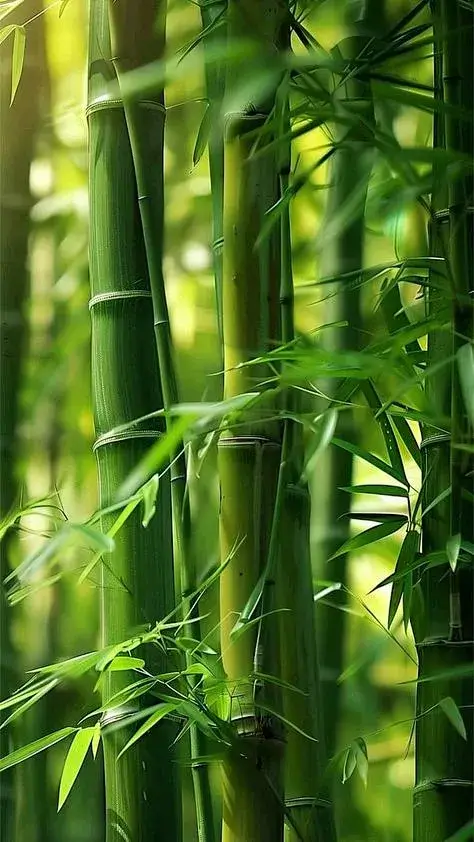
Unlike hardwood forests that take decades to regenerate, Moso bamboo—the primary source for our Bamboo Wall Facade—reaches structural maturity in just 4 to 5 years. This rapid growth cycle makes it a carbon-sequestering powerhouse. By integrating bamboo facades into a project, architects can significantly lower the “embodied carbon” of a building, contributing to LEED and BREEAM certifications.
2. Engineered for Extreme Weather
Our exterior bamboo facades are not raw bamboo poles; they are high-density, engineered composite materials. Through a process of thermal modification and extreme compression, the bamboo fibers are fused to create a board that is:
Highly Stable: Minimal expansion and contraction even in humid or dry climates.
Janka Hardness over 3000: Harder than Ipe and Oak, resisting impacts and scratches in public spaces.
Naturally Durable: Resistant to termites, rot, and fungal decay without the need for toxic chemical treatments.
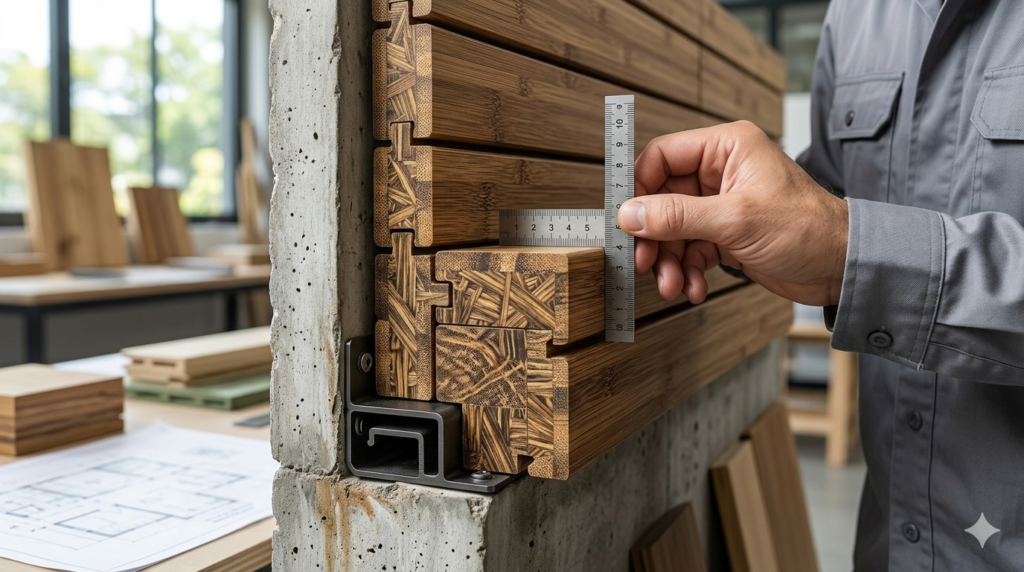
Precision-engineered cross-section: Our bamboo cladding systems feature intense compaction for stability and a proprietary clip system for seamless installation.
3. Inherent Fire Resistance: Safety First
Safety is a non-negotiable priority for high-rise and commercial exteriors. Many traditional woods require expensive chemical fire-retardants. However, due to its high density, our Bamboo Wall Facade inherently achieves a Class A Fire Rating (ASTM E84) and Class B-s1-d0 (EN 13501-1), making it a reliable choice for modern urban developments.
4. Aesthetic Evolution: From Warm Brown to Silver Grey
Architects appreciate the “living” nature of bamboo. When first installed, our facades offer deep carbonized tones or warm natural hues. Over time, like high-quality teak, the material gracefully weathers to an elegant silver-grey patina. For those who prefer to maintain the original color, a simple annual application of exterior oil is all that’s required to keep the facade looking brand new.
Technical Performance: Bamboo Facade vs. Competitors
When commercial architects plan large-scale developments, they often evaluate multiple materials for the building envelope. Let’s look at how engineered Bamboo Wall Facade stands up against Western Red Cedar and traditional Wood-Plastic Composites (WPC):
Janka Hardness: Standard exterior cedar scores around 350 lbf, whereas our structural strand-woven bamboo facade regularly exceeds 3,000 lbf. This massive difference ensures your project’s lower levels resist vandalism and heavy impacts in high-traffic public spaces.
Thermal Expansion: Unlike PVC-heavy WPC materials that expand drastically under direct summer sunlight, engineered bamboo offers a remarkably low thermal expansion coefficient. This linear stability prevents the cladding planks from warping, buckling, or pulling away from the invisible clip systems over time.
Environmental Lifecycle: While traditional timber requires cutting down slow-growing forests and WPC relies heavily on petroleum-based polymers, our bamboo production utilizes a self-regenerating grass network. It effectively acts as a carbon sink throughout its decades of building service.
Project FAQ: Architectural Specifications
To assist design professionals and procurement officers in streamlining their technical documentation, we have compiled the most critical specification details regarding our exterior facade solutions:
Q: What type of maintenance schedule is recommended for commercial installations? A: For high-exposure architectural envelopes, we recommend an initial inspection 12 months after installation. Depending on UV exposure levels, a light wash and a single coat of water-based exterior oil every 2 to 3 years will fully maintain the rich carbonized depth. If left untreated, the surface will naturally gray without losing any structural integrity.
Q: Can these facade panels be specified for coastal projects with heavy salt spray? A: Absolutely. The intense thermal modification process alters the cell structure of the bamboo fibers, making them completely non-reactive to moisture and airborne salt crystals. This makes our Bamboo Wall Facade systems an ideal selection for luxury beach resorts and seaside boardwalk facilities.
5. Ease of Installation for Large-Scale Projects
Time is money in construction. Our Bamboo Wall Facade systems feature precision-engineered tongue-and-groove profiles and “invisible” clip systems. This allows for a seamless, fastener-free appearance that is both visually stunning and fast to install, reducing on-site labor costs significantly.
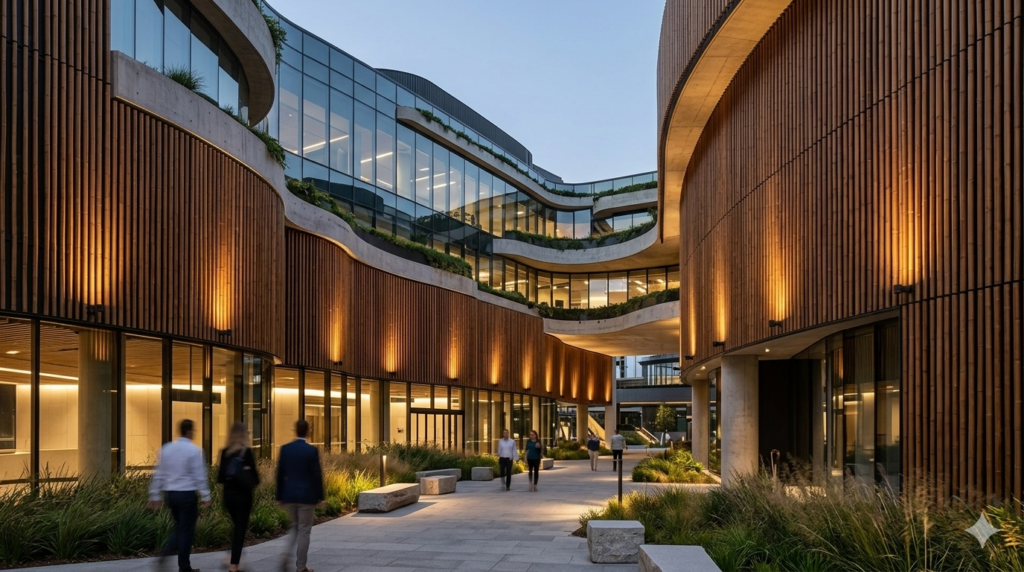
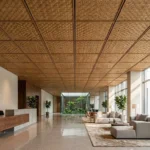
A stunning example of high-end commercial architecture utilizing our sustainable bamboo wall facades to achieve a modern, biophilic aesthetic.
Conclusion: A Vision for the Future
Choosing a Bamboo Wall Facade is more than a design choice; it’s a commitment to the planet. It bridges the gap between the sleek lines of modernism and the soul-stirring warmth of nature. Whether you are designing a luxury coastal resort or a sustainable corporate headquarters, bamboo facades provide the durability and distinction your project deserves.
Newsletter Updates
Enter your email address below and subscribe to our newsletter