|
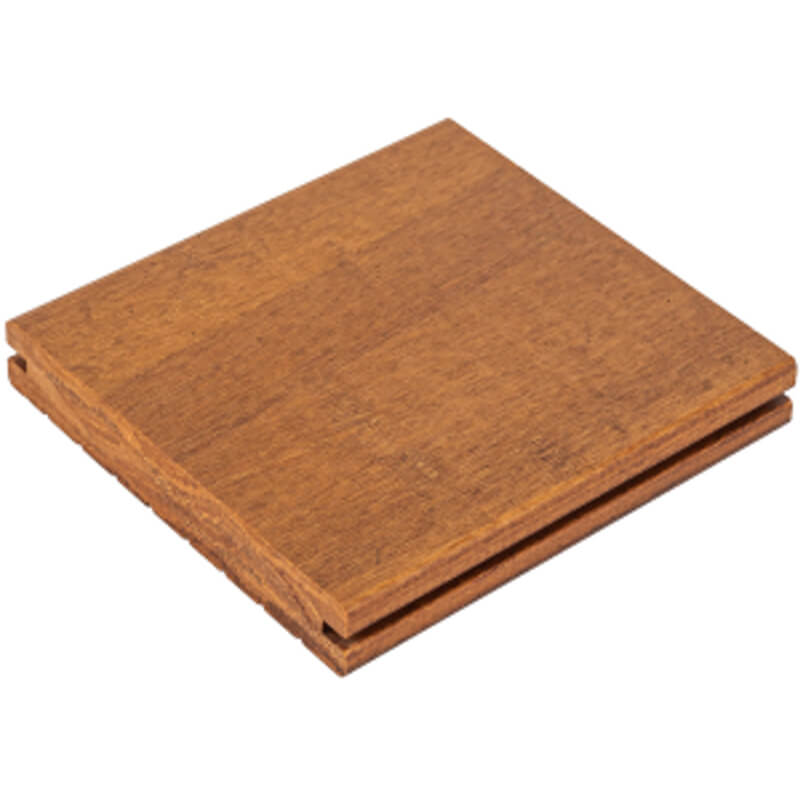
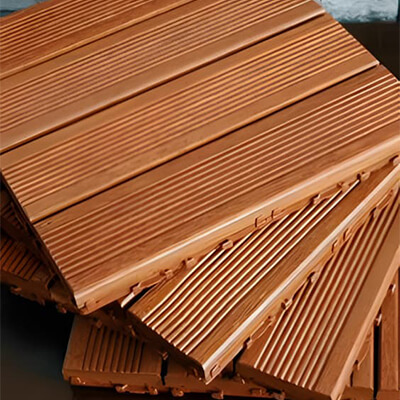
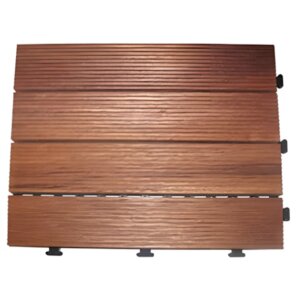
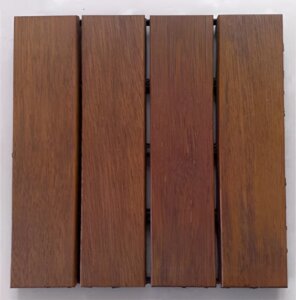
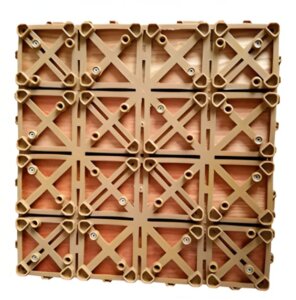
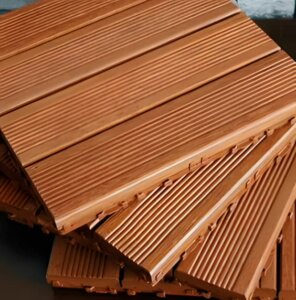
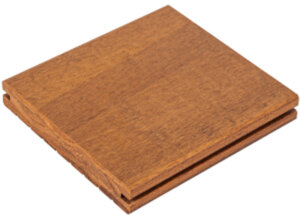
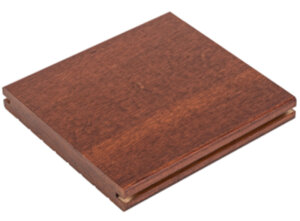
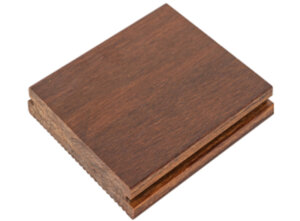
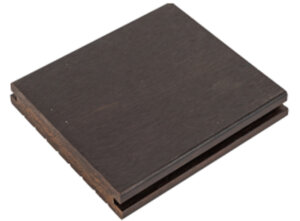
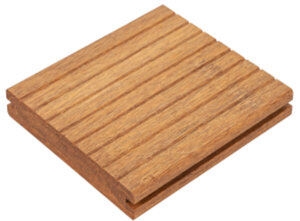
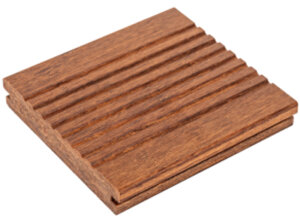
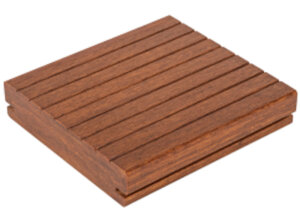
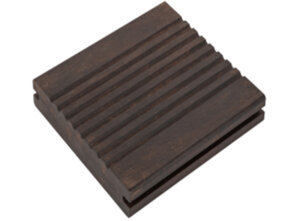
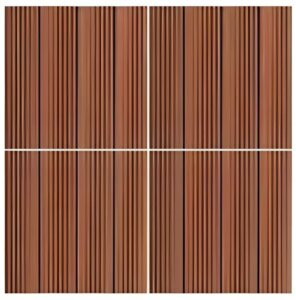
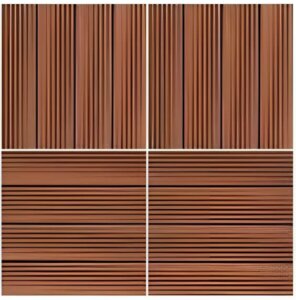
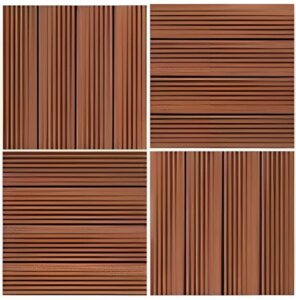
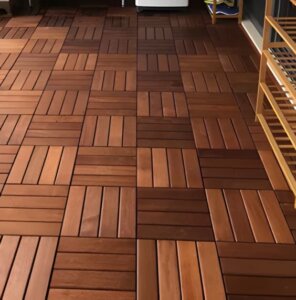
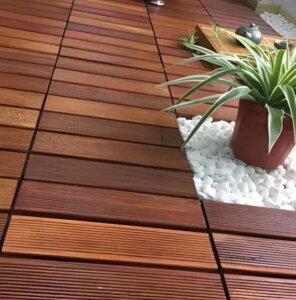
Multiple connection methods, creative connection, freely connect according to the areas in your home. |
|
Perfect for square balconies, backyard patios, poolside areas and outdoor walkways, these tiles turn plain outdoor ground into a stylish, functional leisure zone with minimal effort. |
 |
 |
 |
 |
 |
|
|
|
Declaration of Performance of Composited Balcony Tiles |
|
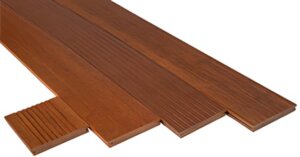
Outdoor Grade Strand Woven Bamboo / composited bamboo |
 |
|
Color |
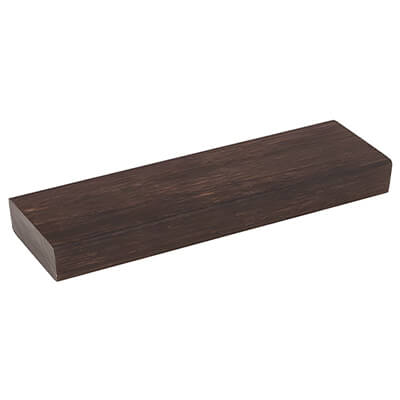
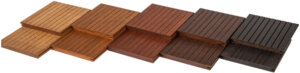
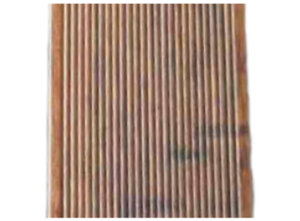
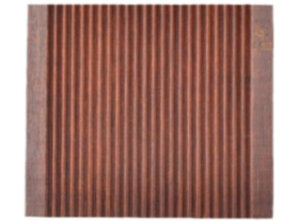
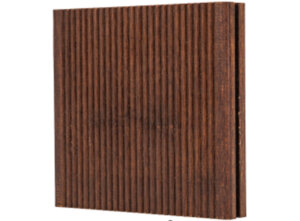
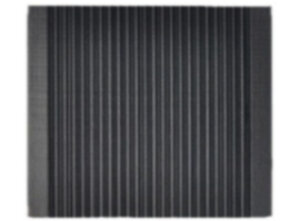
Light Carbonized ( yellow, brown, merbau etc) /
dark Darbonized ( black ) |
|
Materials |
Natural strand woven bamboo with Plant name
phyllostachys pubescens |
|
Procesing Pressed |
Hot pressed |
|
Painting and UV |
Water-based Oil ( Woca or Civia etc) |
|
Techinical Data |
Testing Result |
Testing Standard |
|
Moisture content |
Ave.: 9.0% |
GB/T 30364-2013
Section 6.3.3 |
|
& |
|
GB/T 17657-2013
Section 4.3 |
|
Hardness |
Everage :
129 HB(N/mm2) |
EN 1534:2010 |
|
Slip resistant classifcatioin |
Average (SRV) :
34, P2 |
Tests were carried out in accordance with Apendix A
AS 4586:2013. |
|
the classification is based on a test in the wet
condition |
|
Coeffcient offriction obtained from: AS/NZS
36611:1993 Slip Resistance of Pedestrian Surfaces. |
|
Fire Retardant Classification |
Classification: B-s1, d0 |
EN13501-1:2018 Fire Classificatioin of construction
products and building elements - part 1: classification using data from
reaction to fire tests |
|
Fire classification of construciton |
|
Flamed spread Index |
Class A |
ASTM-E84 |
|
Glue |
D3 water Resistant |
With reference to :GB/T 17657 2013 Section 4.59 |
|
Formaldehyde essimion |
Less than 0.1mg/L |
|
Swelling in thickness after
immersion in water |
0.40% |
EN 317:1993 |
|
Bending Strength and |
Bending strength:127.7MPa |
Refer to EN 408:2010+A1:2012 |
|
Section 10 & Section 19 |
|
Modulus(Four-point bending) |
Elasticity modulus:17068MPa |
Refer to EN 408:2010+A1:2012 |
|
Section 10 & Section 19 |
|
Anti-Fungi Testing |
0 rating - No fungi growth apperante under 50 times
magnification with a test condition : 28 days, 90% RH, 28℃ |
JC/T 2039-2010 Antibacterial and Mildew- proof
wooden boards for decoration Appendiex B: Mildew resistance test method |
|
Crossion Resistance and |
GradeⅠ ( Strong corrosion Resistance ) |
GB/T 13942.1-2009 The corrosioin resistanttest
method |
|
Blue Stain Resistance |
Class 0 |
EN 152 |
|
CO2 Neural |
Complies with the requirements of carbon
neuturalizing management systems |
CTS Q / ZG 018 -2022 Registation number:
ZGC23CNS00004ROM |
|
|
|
Bamboo Deck Tiles vs WPC Deck Tiles for Balcony |
 |
 |
|
1. Solid Bamboo Deck Tiles (Heavy Bamboo) |
|
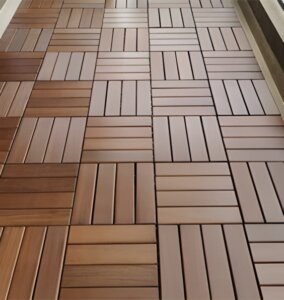
Made of high density compressed solid bamboo, these DIY interlocking tiles feature natural wood like texture, warm color tone and outstanding hardness. |
|
• Material: |
Pure heavy density bamboo strips, natural plant based material. |
|
• Advantages: |
High hardness, scratch resistant, stable structure, natural grain texture, eco friendly, breathable, comfortable foot feel. |
|
• Disadvantages: |
Need regular maintenance with wood oil; slight color change under long term sunlight; higher cost than WPC. |
|
• Best For: |
Balconies that pursue natural texture, high end outdoor leisure style, dry to humid outdoor areas. |
|
2. WPC (Wood Plastic Composite) Deck Tiles |
|
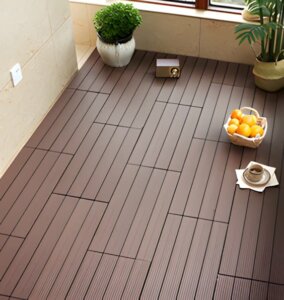
Made of wood powder + plastic mixed composite material, a synthetic low maintenance flooring option for outdoor use. |
|
• Material: |
Mixture of wood fiber and plastic, man made composite material. |
|
• Advantages: |
Waterproof, anti corrosion, zero maintenance, anti fading, termite proof, lower price, long service life. |
|
• Disadvantages: |
Plastic texture exists, less natural touch; slightly harder foot feel; may deform under extreme high temperature. |
|
• Best For: |
Humid outdoor balconies, rental houses, low maintenance demand projects. |
|
|
|
Core Differences : |
|
1. Texture & Look: |
Heavy bamboo has real natural wood grain; WPC has artificial simulated texture. |
|
2. Durability: |
Heavy bamboo features higher hardness and wear resistance; WPC performs better in water resistance & anti corrosion. |
|
3. Maintenance: |
Composited Bamboo needs periodic oil maintenance. |
|
4. Eco friendliness: |
Bamboo is pure natural renewable material; WPC is synthetic composite. |
|
5. Price: |
Heavy bamboo > WPC. |
|
6. Life span : |
Composited bamboo tiles has a longer life span 25 years with maintenance. And WPC normal is 10-15 years. |
|
Hope this can help you to choose a suitable balcony tiles for your home DIY tiles. |
|
|
|
Are there any environmental considerations when choosing between heavy bamboo and WPC deck tiles? |
|
Bamboo matures in only 3–5 years, far faster than hardwood trees (20–50+ years). It regenerates quickly after harvesting, with minimal damage to the ecosystem. Composited bamboo tiles are made of pure plant based bamboo fiber, no toxic plastic components. At the end of its service life, it can decompose naturally without long term environmental pollution. |
|
|
|
Low Carbon Production: Bamboo absorbs large amounts of carbon dioxide during growth, acting as a natural carbon sink. Its manufacturing process generates less industrial waste than WPC. |
|
Non Toxic Finishes: High grade heavy bamboo uses water based outdoor wood oil, free of harmful chemicals |
|
Only with low VOA formaldehyde. |
|
|
|
Can Heavy Bamboo Deck Tiles Be Used in High Humidity Areas? |
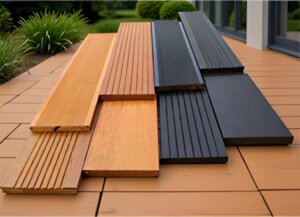 |
Yes, FRbamboo extremely grade high density bamboo deck tiles are suitable for high humidity regions (such as coastal areas, swimming pool area, damp balconies), but proper treatment and maintenance are required. |
|
Strand woven bamboo is compressed under high pressure, with a tight internal structure that greatly reduces water absorption, resisting swelling and deformation caused by moisture. |
|
And strand bamboo undergoes high temperature carbonization, which kills mold and insect eggs, improving rot resistance and anti mold performance in damp environments. |
|
Final Surface treatment with outdoor grade wood oil or water based coating forms a protective layer against moisture penetration. |
|
But need caution Limitations & Risks in High Humidity Areas |
|
Long term stagnant water is the biggest risk: If water cannot drain away quickly, bamboo may absorb excess moisture, leading to mold or mildew over time. |
|
Practical Tips for High Humidity Use |
|
1. Use the interlocking plastic base mat : It lifts the tiles off the ground, ensures air circulation underneath, avoids direct contact with damp floors, and speeds up drainage. |
|
2. Apply outdoor grade wood oil twice a year to reinforce waterproof protection. |
|
3. Keep good drainage: Ensure the balcony/patio floor slopes toward drains, prevent water pooling. |
|
4. Choose deep carbonized composited bamboo (black darker color ) for coastal or extremely humid areas for stronger anti rot properties. |