Gain in-depth insights into the applications of high-performance heavy bamboo in modern architecture, the latest sustainable material technologies, and iconic project cases worldwide. Join us to explore the infinite possibilities of eco-friendly building materials alongside 24,000+ professional architects, interior designers, and developers.
When deciding between Engineered Bamboo vs Engineered Wood, many homeowners prioritize durability and eco-friendliness. While both materials offer a natural look, Composite Bamboo provides unique advantages that traditional wood cannot match.
1. Strength and Durability
Engineered bamboo, particularly Strand Woven Flooring, is incredibly dense and hard. Unlike many engineered wood products that can dent easily, our strand woven options are designed to withstand heavy impact, making them perfect for high-traffic areas or even Horse Stable Panels.
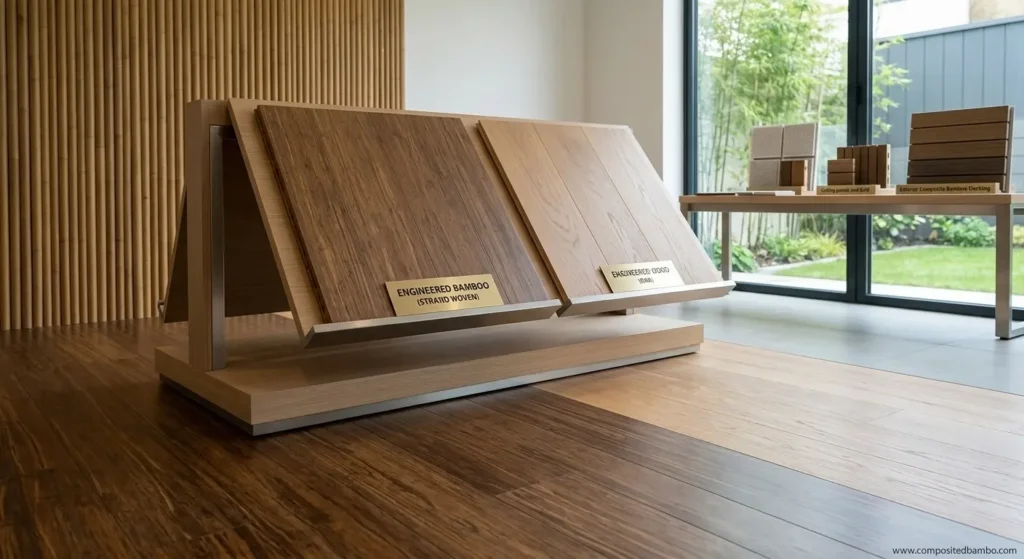
Side-by-side comparison: Note the high density of Strand Woven Bamboo Flooring versus traditional Oak.
2. Versatility in Application
The flexibility of bamboo allows it to be used in more places than just floors.
Interior Use: From Solid bamboo flooring to decorative Wall Panels and Ceiling panels, bamboo creates a cohesive, modern look.
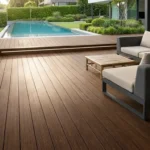
Exterior Use: For outdoor projects, Exterior Composite Bamboo is more stable than many engineered woods, making it ideal for Decking, Wall Facades, and Balcony Tiles.
3. Eco-Friendly and Sustainable Choosing bamboo is a win for the environment. Bamboo grows much faster than the trees used for engineered wood. Whether you are installing Flooring Tiles or a large Fence Sheet, you are using a rapidly renewable resource.
Conclusion In the battle of Engineered Bamboo vs Engineered Wood, bamboo is the clear winner for those seeking longevity and sustainability. Explore our full range, including Lumber & Joists and Ground Mats, at www.compositedbambo.com.
4. Detailed Material Analysis: Beyond Just Flooring
While many people think of Solid bamboo flooring when they hear “engineered bamboo,” the technology extends to much more. For example:
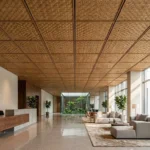
Interior Applications: You can use Woven bamboo ceiling panels or Solid bamboo flute wall panels to create a seamless natural aesthetic.
Outdoor Resilience:Exterior Composite Bamboo , specifically used in Decking and Wall Facades, provides a level of dimensional stability that most wood products cannot achieve.
Specialized Uses: High-density options like Horse Stable Panels showcase the material’s extreme impact resistance, which is far superior to standard timber alternatives.
5.Comparison Table: Bamboo vs. Wood
Feature
Engineered Bamboo
Engineered Wood
Growth Cycle
5-7 Years
30-50 Years
Hardness
Very High (Strand Woven Flooring )
Medium (Oak/Maple)
Moisture Resistance
High (Especially Exterior Composite Bamboo )
Moderate to Low
Eco-Impact
Carbon Negative
High Carbon Footprint
6. Frequently Asked Questions (FAQ)
Is engineered bamboo more expensive than wood? Initially, the cost is comparable. However, due to its durability in products like Flooring Tiles and Bench Tops, the long-term maintenance cost is lower.
Can bamboo be used for exterior walls? Yes! Our Wall Facade and Fence Sheets are specifically treated for outdoor use to prevent rot and insect damage.
What is the best bamboo for high-traffic areas? We highly recommend Strand Woven Flooring because the compression process makes it one of the hardest natural flooring materials available.
7. Practical Maintenance Tips for Bamboo Products
To ensure your Strand Woven Flooring or Exterior Composite Bamboo stays in top condition, follow these simple maintenance steps:
Cleaning: Use a damp (not soaking wet) mop for indoor Solid bamboo flooring. For Outdoor Decking, a simple wash with water and mild soap once a season is sufficient.
Protection: Even though bamboo has high hardness, using felt pads under furniture on your Flooring Tiles will prevent scratches over decades of use.
Inspections: Regularly check your Wall Facade and Fence Sheets for any debris buildup to maintain the natural ventilation of the material.
8. Why Builders Love Our Composite Range
Commercial builders often choose our Lumber & Joists and Ground Mats because of the consistent quality. Unlike natural wood, which can have unpredictable knots or weak spots, our Composite Bamboo is engineered for uniformity. This means less waste during installation of Ceiling panels and Grid or large-scale Wall Panels.
Furthermore, for specialized environments like equestrian facilities, our Horse Stable Panels provide a safer, splinter-free environment for animals compared to traditional oak planks. The density also provides excellent sound insulation, which is a bonus for Balcony Tiles in urban apartments.
Newsletter Updates
Enter your email address below and subscribe to our newsletter